

© 2026 Jonathan Wadsworth
Connect on LinkedIn
Lead Product & UX Designer
I turn complex systems into clear, scalable experiences. For 12 years I have been the designer organizations rely on when the product is large, the stakes are real, and the work has to hold up.

I make complex things work simply.
-
Experience: 12+ Years
-
Specialty: UX, UI, Design Systems
-
Location: Charlotte, NC
-
Email: JonathanWadsworthDesign@gmail.com
-
LinkedIn: View Profile
-
Resume: Download PDF
-
Freelance: Available
Most designers can make something look good. Fewer can make it scale. I sit at the intersection of both: a designer who thinks in systems, works fluently with engineers, and has spent 12 years building digital products that perform at enterprise scale across thousands of users, dozens of stakeholders, and product lines that cannot afford to fail.
I have led design for the largest Coca-Cola bottler in the United States, built systems that brought order to organizations that had none, and shipped work that is still running in production today. What I bring to a team is not just craft. It is clarity, direction, and the discipline to see it through.

What I Bring
-
01 UX Strategy & Direction
Design without strategy is decoration. I get to the root of what a product needs to accomplish, then create the framework that lets every decision after it move faster and land better.
UX Strategy & Direction
The most expensive design problems are the ones that get discovered late. I work upstream: with stakeholders, product managers, and engineers to align on what we are building and why, before a single pixel is placed.
That means user research, information architecture, experience principles, and the kind of documented design rationale that keeps teams from relitigating the same decisions six months later. My strategic work tends to outlast the projects it starts on, because it gives organizations something they can actually build from.
If your team is moving fast but keeps ending up in the wrong place, this is where we start.
-
02 Product Design
I own the full arc from zero to shipped. Discovery, wireframes, prototypes, high-fidelity UI, and the cross-functional coordination that gets it across the finish line without losing what made it good.
Product Design
Product design is not a phase. It is a practice that runs through every stage of a product's life. I have done this work in enterprise SaaS environments where a confusing interface costs real money, and in consumer products where first impressions are everything.
What distinguishes my approach is the ability to hold the whole picture: user needs, business constraints, technical reality, and long-term scalability, all at once. I do not hand off a beautiful design and disappear. I stay in it with the team until the product shipped matches the product designed.
The result is work that is not just polished, but coherent, defensible, and built to evolve.
-
03 Design Systems
A design system built right is the closest thing to cloning your best designer. I build systems that teams actually use: documented, governed, and structured to scale without falling apart.
Design Systems
Most design systems fail not because they were designed badly, but because they were not designed to be adopted. I build systems with that reality in mind: clear documentation, practical governance, and the buy-in process that gets engineers and designers actually using them.
I have built component libraries and token structures for organizations operating across multiple product lines and sub-brands, where consistency is not just a design preference but an operational requirement. The systems I build are structured enough to prevent drift and flexible enough to not become a bottleneck.
If your organization is scaling and your design is starting to fracture, this is how you fix it before it becomes expensive.
-
04 Brand & Visual Design
A brand that cannot be applied consistently is not a brand yet. I design identities built for real-world use: sharp enough to make an impression, structured enough to survive a 50-person team.
Brand & Visual Design
Brand identity is where design gets seen first and judged fastest. I approach it as a system problem as much as a craft problem: the logo matters, but what matters more is whether the brand holds together when 40 people across 3 departments are applying it independently.
I have led visual identity and brand refresh work for large organizations managing multiple sub-brands under a single parent, where the stakes of inconsistency are measured in trust and revenue. The deliverable is not just a style guide. It is a framework people can actually work from.
The best brand work I have done is work you would not recognize as a redesign. It just looks like the organization finally got clear about who they are.
-
05 Front-End Development
I speak both languages. Designers who can build reduce friction, catch problems early, and earn trust with engineering teams that most designers never get. That fluency changes how a team works.
Front-End Development
There is a particular kind of trust that engineers extend to designers who can open a codebase and find their way around. I have earned that trust repeatedly, and it changes the dynamic of every product team I have been part of.
I write semantic, accessible HTML and CSS. I prototype in the browser when a static mockup is not enough to communicate intent. I flag implementation risks before they reach sprint planning. And when something gets built differently than it was designed, I can have a specific, technical conversation about why it matters and what to do about it.
That is the difference between a designer who hands off and a designer who ships.
-
06 Accessibility
Accessibility is not a compliance exercise. It is a signal about how seriously a team takes quality. I build it in from the start, which means it costs a fraction of what it costs to retrofit later.
Accessibility
Organizations that treat accessibility as a legal obligation rather than a design standard tend to end up with products that are technically compliant and practically unusable. I have seen both sides of that, and I know which one leads to better products and fewer remediation bills.
I integrate WCAG 2.1 AA requirements into the design process from day one: in component libraries, in design systems, in review checklists, and in the conversations with developers that happen before code is written. When accessibility is designed in, it stays in.
Accessible products are also better products. Cleaner hierarchy. Clearer language. More resilient layouts. Every team I have introduced this practice to has seen the difference in the work itself, not just the audit results.
Where I've Done This Work
Featured Works
-
 Websites, Branding Coca-Cola Consolidated Corporate Website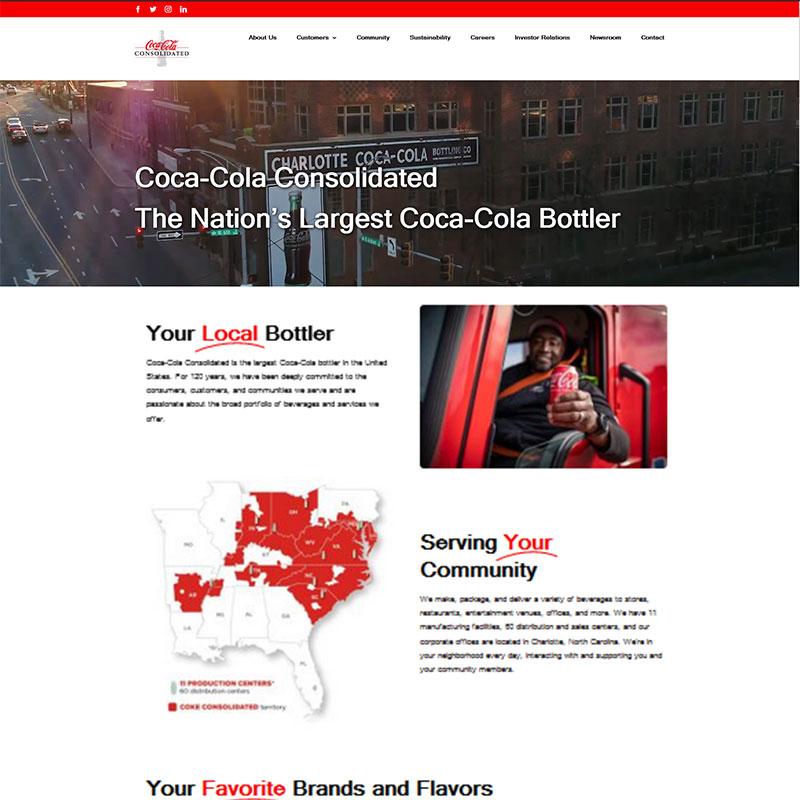
Project Info
Coca-Cola Consolidated Corporate Website
A ground-up redesign of the corporate website for the largest Coca-Cola bottler in the United States. The site speaks to investors, potential employees, community partners, and the press, and needed to reflect where Coca-Cola Consolidated was heading, not just where it had been. The redesign brought a modern visual language, improved information architecture, and a brand voice worthy of the company's scale.
- Stakeholders Corporate Communications Team
- Role Lead UI/UX Designer
- Timeline 3–6 Months
- Category Brand Refresh, Web Design, Branding
-
Websites, Branding Red Classic Website
Project Info
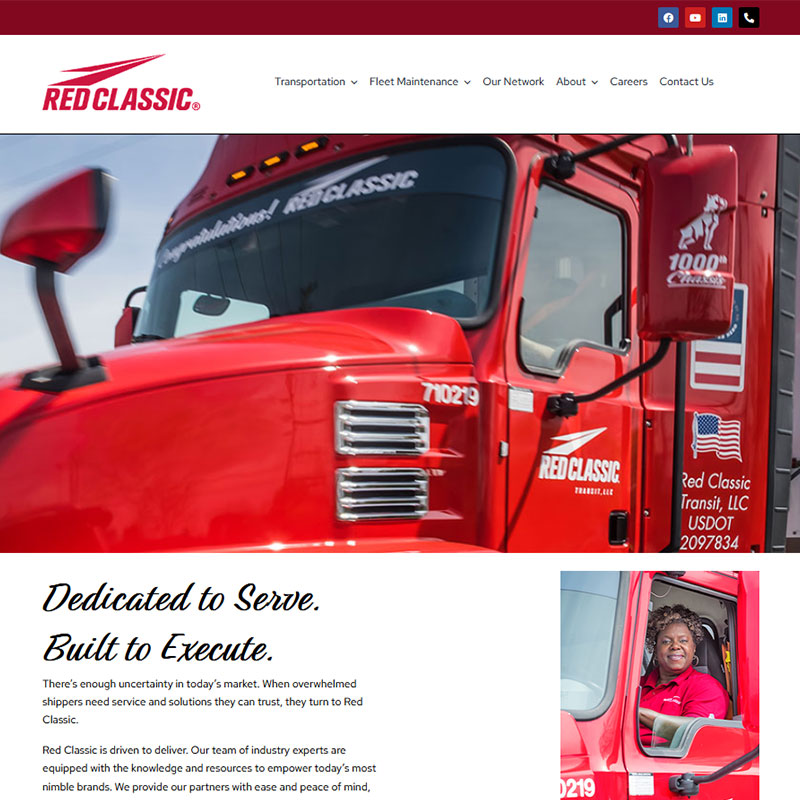
Red Classic Website
Web design and development for Red Classic, delivering a clean, branded digital presence that communicates the company's identity and services with clarity and impact.
- Client Red Classic
- Role Lead UI/UX Designer
- Category Web Development, Web Design, Branding
-
Websites, Branding ERS Company Website
Project Info
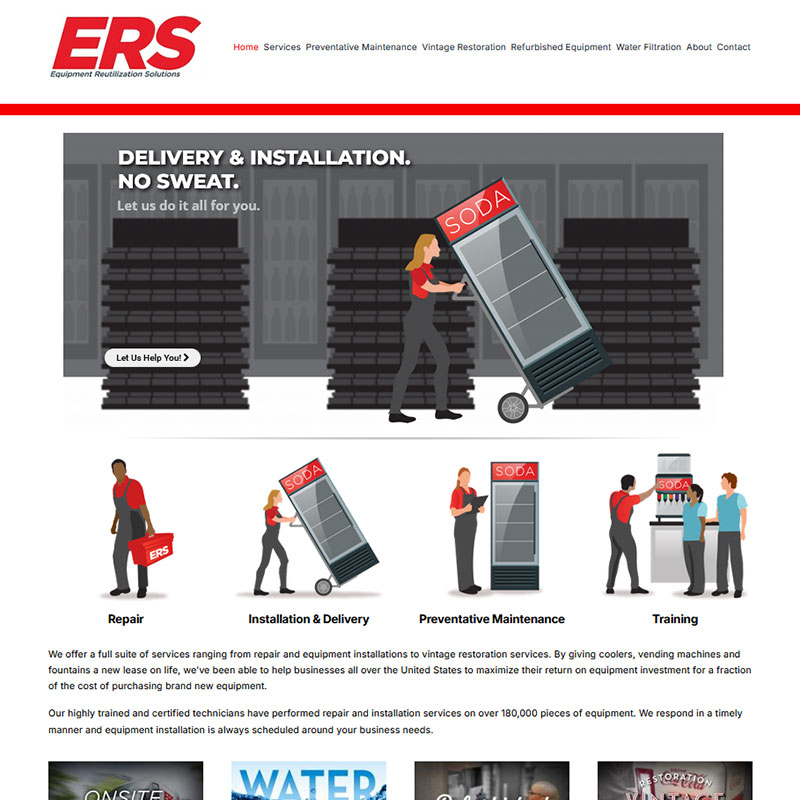
ERS Company Website
Web design and development for ERS, creating a cohesive and professional digital presence that reflects the company's brand identity and communicates its core offerings effectively.
- Client ERS
- Role Lead UI/UX Designer
- Category Web Development, Web Design, Branding
-
Websites, Branding Coke To Go Website
Project Info
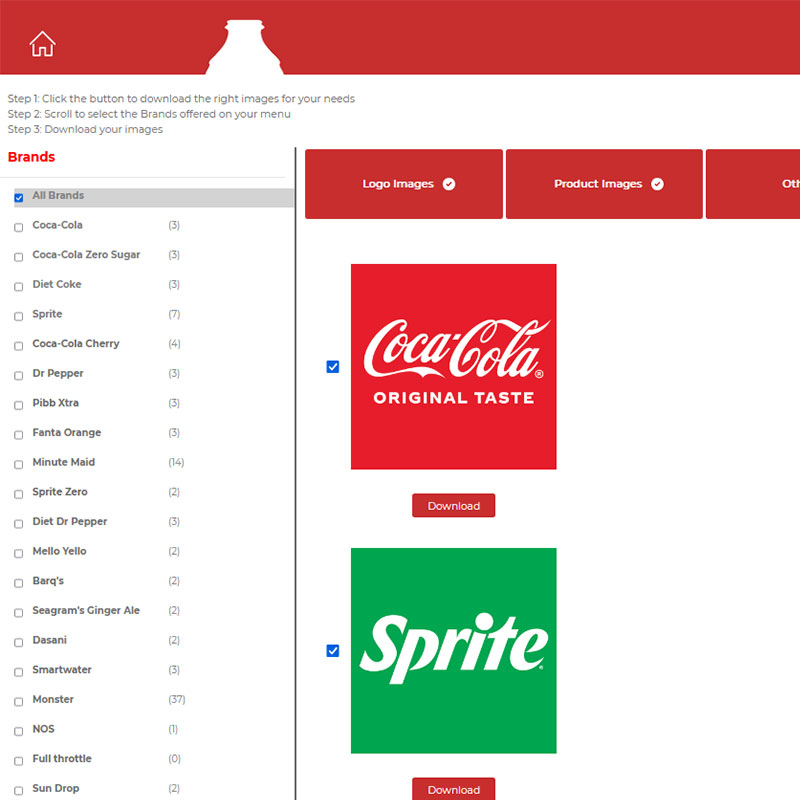
Coke To Go Website
Web design and development for the Coke To Go platform, delivering a user-friendly and visually consistent experience aligned with the broader Coca-Cola Consolidated brand ecosystem.
- Client Coca-Cola Consolidated
- Role Lead UI/UX Designer
- Category Web Development, Web Design, Branding
-
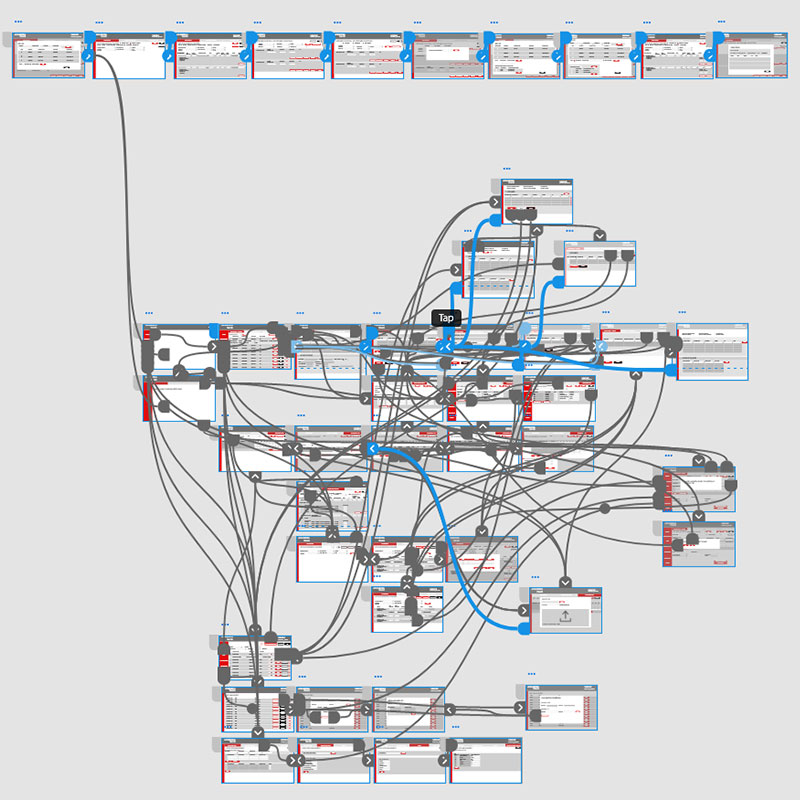
UI/UX Authorization Tracker 2.0
Project Info
Authorization Tracker 2.0
A redesigned enterprise authorization tracking tool, improving usability and workflow efficiency for internal teams. The updated UI reduces friction in a high-stakes workflow, making critical approval and authorization data easier to access, review, and act on.
- Client Coca-Cola Consolidated
- Role Lead UI/UX Designer
- Category UI/UX Design
-
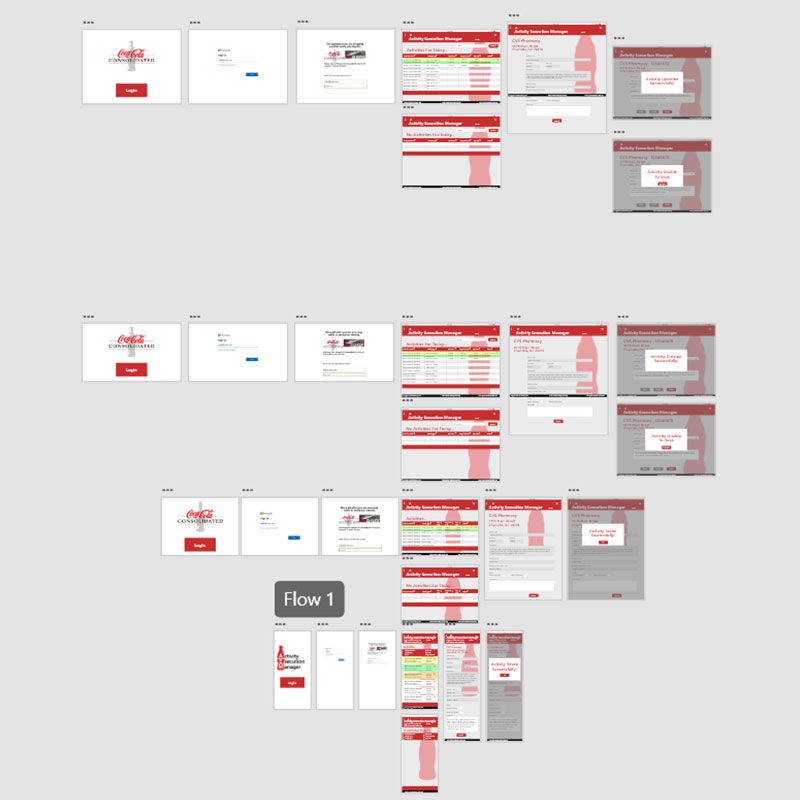
UI/UX Activity Execution Manager
Project Info
Activity Execution Manager
UI/UX design for an enterprise activity execution management platform, streamlining how teams track and coordinate operational activities. Focused on clarity, hierarchy, and efficiency, reducing cognitive load for users managing complex, multi-step workflows.
- Client Coca-Cola Consolidated
- Role Lead UI/UX Designer
- Category UI/UX Design
-
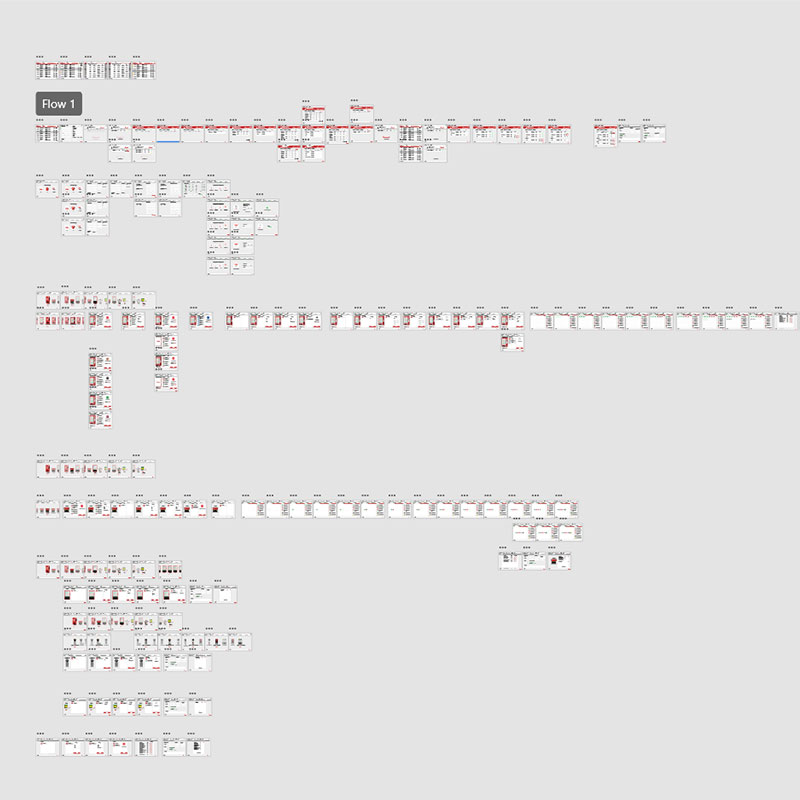
UI/UX CONA Platform
Project Info
CONA Platform
UX design work for the CONA (Coke One North America) platform, a large-scale, shared technology ecosystem used across Coca-Cola bottlers. Focused on creating intuitive, scalable interfaces that work across diverse user types and operational contexts.
- Client Coca-Cola Consolidated
- Role Lead UI/UX Designer
- Category UI/UX Design
-
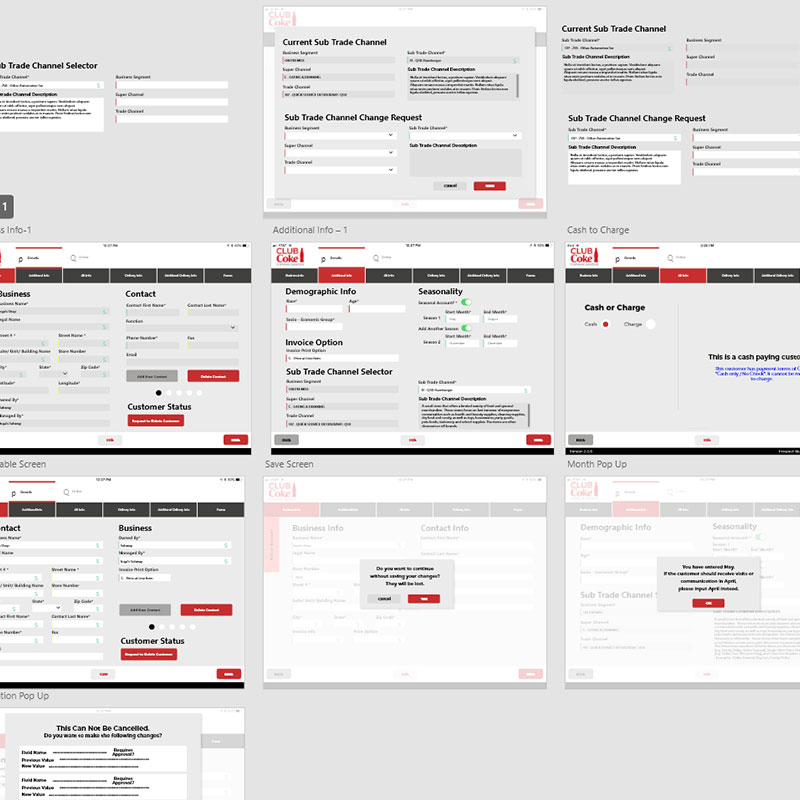
UI/UX Club Coke
Project Info
Club Coke
UI/UX design for Club Coke, an internal engagement and rewards platform. Designed with a focus on usability, brand alignment, and creating an experience that drives participation and reinforces a positive team culture.
- Client Coca-Cola Consolidated
- Role Lead UI/UX Designer
- Category UI/UX Design
-
Branding Coca-Cola Consolidated IT Logo
Project Info
Coca-Cola Consolidated IT Logo
Brand identity design for the Coca-Cola Consolidated Information Technology division, creating a mark that works cohesively within the broader enterprise brand family.
- Client Coca-Cola Consolidated
- Role Lead UI/UX Designer
- Category Branding, Logo Design
-
Branding Coca-Cola Consolidated AI Hub Logo
Project Info
Coca-Cola Consolidated AI Hub Logo
Logo and brand identity design for the Coca-Cola Consolidated Artificial Intelligence Hub, establishing a forward-looking visual identity for the organization's emerging AI initiatives.
- Client Coca-Cola Consolidated
- Role Lead UI/UX Designer
- Category Branding, Logo Design
-
Branding Coca-Cola Consolidated Women's Forum Logo

Project Info
Coca-Cola Consolidated Women's Forum Logo
Brand identity for the Coca-Cola Consolidated Women's Forum, creating a mark that reflects the group's mission and values while remaining consistent with the enterprise brand family.
- Client Coca-Cola Consolidated
- Role Lead UI/UX Designer
- Category Branding, Logo Design
-
Branding Coca-Cola Consolidated RPA Logo
Project Info
Coca-Cola Consolidated RPA Logo
Logo and brand identity for the Coca-Cola Consolidated Robotic Process Automation team, giving a technical department a distinctive and credible visual identity within the broader enterprise brand system.
- Client Coca-Cola Consolidated
- Role Lead UI/UX Designer
- Category Branding, Logo Design
Case Studies
-
Case Study
Coca-Cola Consolidated Corporate Website Redesign
Role: Lead UI/UX Designer | Timeline: 3–6 Months | Stakeholders: Corporate Communications Team | Live Site: cokeconsolidated.com
The Challenge
Coca-Cola Consolidated is the largest Coca-Cola bottler in the United States, serving millions of customers across 14 states. Despite that scale, the company's corporate website had fallen behind, becoming visually dated, inconsistent in tone, and no longer reflective of the brand's stature or ambitions.The site wasn't broken. But it wasn't working hard enough either. For a company of this size, the corporate website is a critical touchpoint: it speaks to investors, potential employees, community partners, and the press, often before any human contact is made. The existing design wasn't telling that story well. The goal was clear: redesign the site from the ground up to reflect where Coca-Cola Consolidated was heading, not just where it had been.
The Approach
I led the end-to-end redesign in close collaboration with the Corporate Communications team, beginning with a full audit of the existing site's content architecture, visual identity, and audience needs. The site serves multiple distinct audiences, including investors, prospective employees, community partners, and the press, and the previous structure wasn't effectively guiding any of them.The information architecture was rebuilt from scratch to give each audience a clear, efficient path to what they needed. Visually, the redesign drew directly from Coca-Cola Consolidated's brand standards while pushing the execution forward by introducing stronger typographic hierarchy, a more disciplined use of color and photography, and a layout system designed to scale across the organization's growing content needs.
Accessibility and responsive performance were non-negotiable requirements throughout. Every design decision was made with the understanding that this site would be seen by a wide range of users, across a wide range of devices, often as their very first interaction with the brand.
The Outcome
The result is a modern, strategically grounded digital presence that performs across audiences, devices, and teams. The redesign gave Coca-Cola Consolidated a corporate website that finally matched the scale and ambition of the company behind it: a site that communicates with authority, builds trust on first impression, and serves as a durable foundation for future growth. -
Case Study
Red Classic Transportation & Fleet Maintenance Website
Role: Lead UI/UX Designer | Client: Red Classic (Coca-Cola Consolidated Subsidiary) | Live Site: redclassic.com
The Challenge
Red Classic is one of the few large carriers in the country that combines comprehensive transportation services with full fleet maintenance capabilities, which is a genuine differentiator in a crowded industry. But their digital presence wasn't telling that story. As a subsidiary of Coca-Cola Consolidated, they needed a website that could stand on its own: one that spoke clearly to shippers, fleet partners, and potential employees, and communicated their "Dedicated to Serve. Built to Execute." brand identity with authority and clarity.The Approach
I led the design and development of the Red Classic website from the ground up, working in close partnership with their marketing and communications stakeholders. The goal was a site that felt operationally confident, bold without being loud, and organized around the service lines users care most about: dedicated transportation solutions, managed transportation, freight, and managed fleet maintenance.The information architecture was restructured to serve two distinct audiences: shippers evaluating a logistics partner and drivers or technicians exploring career opportunities, so each could find what they needed quickly. The visual design drew from Red Classic's brand identity, using strong typographic hierarchy, high-impact imagery, and a clean layout that positioned them as an experienced and trustworthy partner in a demanding industry.
The Outcome
The result is a responsive, brand-aligned digital presence that clearly communicates Red Classic's full range of services and competitive advantages across all devices. The site unifies their dual expertise in transportation and fleet maintenance under a cohesive visual identity, reinforcing their position as a complete transportation partner, not just a carrier. -
Case Study
ERS Company Website
Role: Lead UI/UX Designer | Client: Equipment Reutilization Solutions (Coca-Cola Consolidated Subsidiary) | Live Site: erscompany.com
The Challenge
Equipment Reutilization Solutions (ERS) is a Monroe, NC-based service company and Coca-Cola Consolidated subsidiary specializing in the repair, installation, maintenance, and restoration of commercial beverage equipment, including coolers, vending machines, fountains, and more, for businesses across the United States. With certified technicians having serviced over 180,000 pieces of equipment, ERS had a serious operation behind them. What they needed was a website that matched it.Their existing digital presence wasn't effectively communicating the full breadth of their services, from standard repair and preventative maintenance to their 9-Step Certified Refurbishment process and vintage restoration work. The site needed to clearly serve both prospective business clients looking for a reliable service partner and existing customers who needed to quickly understand what ERS could do for them.
The Approach
I led the design and development of the ERS website with a focus on clarity and service discoverability. ERS offers a wide range of distinct service lines, including Repair, Installation & Delivery, Preventative Maintenance, Training, Vintage Restoration, Refurbished Equipment, and Water Filtration, and a major goal of the redesign was making sure each of those offerings had its own clear, findable presence on the site rather than being buried in generic copy.The visual design was built to reflect ERS's professional credibility and approachability as a company that works hands-on with businesses every day and prides itself on responsive, expert service. Typography, iconography, and layout were chosen to communicate competence and reliability at a glance, while keeping the experience clean and easy to navigate for a broad range of users.
The Outcome
The result is a professional, service-forward digital presence that gives ERS the credibility their operation deserves. Each service line is clearly presented and accessible, helping prospective clients quickly understand the full scope of what ERS offers, and giving existing customers a reliable resource for scheduling and support. The site positions ERS as exactly what they are: a trusted, nationwide partner for commercial beverage equipment needs. -
Case Study
CONA Platform (Coke One North America)
Role: UI/UX Designer | Client: CONA Services LLC (Coca-Cola Consolidated) | Platform: conaservices.com
The Challenge
CONA Services LLC is the shared IT backbone for 11 of the largest Coca-Cola bottlers across the United States and Canada, supporting more than 500 bottling locations and overseeing operations tied to over $35 billion in annual revenue. The platform touches every corner of the bottling business: customer ordering, finance, manufacturing, supply chain, human resources, and reporting, all running on SAP and Salesforce infrastructure at massive scale.Designing for an environment this complex presents a unique challenge. The platform serves tens of thousands of active users across dozens of bottling organizations, each with different operational contexts, roles, and levels of technical familiarity. The existing interfaces had grown organically over time and were not keeping pace with the scale and sophistication of the underlying systems. The goal was to bring clarity, consistency, and usability to a platform that millions of beverage cases depend on every single day.
The Approach
I contributed UI and UX design work to the CONA platform as part of my role at Coca-Cola Consolidated, working within a large cross-functional team that included product managers, engineers, and business stakeholders across multiple bottler organizations. The design work required a deep understanding of enterprise-scale user needs: people managing high-volume order workflows, finance teams reconciling complex data, and field technicians accessing the system on mobile devices in real time.The focus throughout was on reducing cognitive load across complex, multi-step workflows. That meant establishing clear visual hierarchy, simplifying navigation structures, and creating consistent interface patterns that users could rely on regardless of which part of the platform they were working in. Every design decision had to account for a wide range of user types and operational contexts, from corporate analysts to warehouse staff, all within the same shared system.
Accessibility and cross-device usability were built into the design process from the start. With tens of thousands of active users depending on the platform daily, there was no room for interfaces that only worked well in ideal conditions.
The Outcome
The design contributions helped move the CONA platform toward a more intuitive, scalable user experience that could serve the full breadth of its user base effectively. Working at this scale, on a system that underpins the Coca-Cola bottling network across all of North America, reinforced the importance of disciplined, systems-level thinking in UX: every pattern you introduce gets multiplied across thousands of users and dozens of organizational contexts. Getting it right matters.
